

It often surprises people to learn that Germany operates one of the most structured regulatory systems for adult services in Europe.
A federal study conducted a few years after the Prostitute Protection Act went into effect showed a measurable rise in registrations, stronger oversight, and more consistent municipal inspections.
How does the registration process really work?
What do authorities expect from business operators?
And how serious can fines become when rules are ignored?
The goal here is to give you a clear explanation of what the law covers and how it functions in practice.
Regulatory Foundation In Germany

Germany regulates adult services through the federal Prostitute Protection Act, supported by localized rules that adapt the national framework to each city’s needs.
The law is built around transparency, document control, periodic counseling, and structured oversight.
For anyone trying to understand adult service regulation, one helpful mindset is to see the system as both centralised in its goals and decentralised in its execution.
Each municipality follows the same legal foundation but interprets operational steps differently.
That is why the registration experience in Cologne might not feel identical to what happens in Düsseldorf or Frankfurt.
What stays consistent is the emphasis on safety, monitoring, and properly documented business activity.
How Municipalities Enforce The Law
Before diving into registration or permits, it helps to understand who enforces the rules.
Municipal authorities handle day-to-day responsibilities, including maintaining registries, approving permits, reviewing business plans, and conducting physical inspections.
These offices act as a bridge between national law and real-world implementation.
Their job is to keep the sector transparent and safe, react to public concerns, and intervene when violations occur.
Many cities also have specialised units trained to evaluate risk, monitor working conditions, and support individuals who may need legal or social assistance.
Registration Requirements For Workers
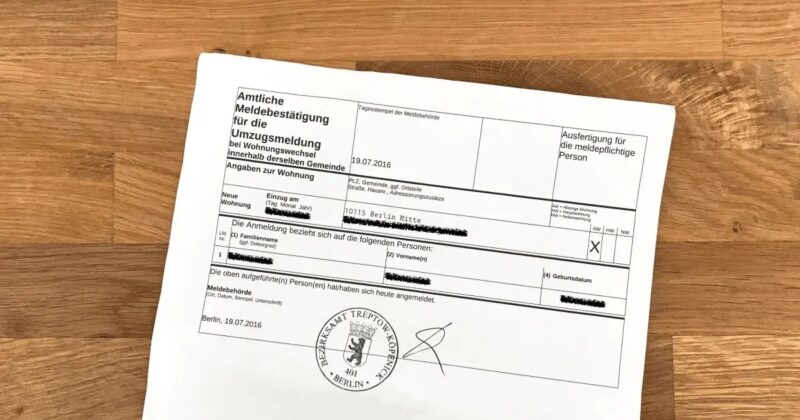
Registration is one of the most central components of adult service regulation in Germany.
Anyone working in this sector must complete a mandatory registration process that includes an informational consultation and identity verification.
The idea is to ensure that workers are aware of legal expectations, safety resources, and support options.
Appointments typically last twenty to thirty minutes, followed by the issuance of a registration certificate that must be renewed every year or two, depending on age.
Cities often provide multilingual support to make the process accessible and predictable for people from diverse backgrounds.
Step By Step Registration
Although registration may seem like simple paperwork, the process has several structured steps:
• Verification of identity documents and confirmation of age
• A mandatory counseling session covering safety, health information, and legal rights
• Issuance of a certificate valid for a set period
• Required updates whenever work location or employer changes
Authorities rely heavily on these records during inspections or when reviewing compliance reports.
For many individuals, the predictable nature of these check-ins creates a sense of structure and accountability that is often missing in unregulated environments.
Escort And Companion Services Within The Legal Framework
Escort and companion services fall under the same adult service regulation as other commercial activities and must follow identical registration expectations.
One practical difference lies in how oversight works. Since escorts often operate in private or pre-arranged locations, inspections focus more on documentation and operator permitting than on on-site checks.
This gives the sector a unique dynamic, where transparency and reliable communication channels play an especially important role.
In many cases, escorts choose to work with established directories or agencies that operate transparently and maintain clear standards.
A good example is Louisa, which provides structured profiles, consistent communication, and a professional environment that aligns with Germany’s compliance expectations.
For many workers, platforms like this make the legal process easier by offering predictable scheduling, reliable verification, and safer interactions.
Business Permits And Operational Standards

Any venue or business offering adult services must obtain a special permit before operating legally.
These permits require owners to submit detailed plans describing how they will meet safety, hygiene, and organizational standards.
Authorities review floor layouts, staff lists, emergency exit concepts, and planned operational procedures.
After approval, businesses undergo recurring inspections to ensure ongoing compliance.
Even minor lapses can lead to warnings, and repeated issues can trigger fines or the suspension of the operating permit.
A simplified look at permit expectations is outlined below:
| Requirement Category | What Authorities Review | Frequency |
| Safety Standards | Lighting, emergency exits, panic alarms | Annual or biannual |
| Documentation | Worker registrations, shift records, contracts | Ongoing |
| Hygiene Protocols | Ventilation, sanitation routines, cleanliness | Regular inspections |
These requirements serve a dual purpose.
They protect workers by ensuring safe conditions and protect communities by preventing unregulated operations from emerging without oversight.
Common Compliance Challenges
Although the rules are clearly written, many individuals and operators find compliance demanding due to the administrative workload.
Renewals must be tracked carefully, documentation must remain updated, and zoning rules sometimes differ between neighborhoods.
Business operators often underestimate inspection schedules or forget to notify authorities of structural changes.
Most violations arise not from intentional misconduct but from overlooked details.
Because local offices prefer corrective guidance over punitive measures, early communication often prevents larger issues.
Frequent Areas Of Difficulty
The most common challenges include:
• Workers holding expired registration certificates
• Failure to update authorities after business modifications
• Operating in areas not approved for adult services
• Incomplete or outdated safety and hygiene documentation
These issues may begin with warnings but can escalate if not corrected. From the perspective of authorities, consistent documentation is essential because it proves that the operator understands and respects the regulatory framework.
Fines And Legal Consequences

Fines within adult service regulation can vary widely, depending on severity and intent.
Authorities apply penalties proportionally, taking into account whether previous warnings were issued and whether violations present safety risks.
For individuals, failure to register or refusal to participate in mandatory consultations can result in several hundred euros in fines.
For business owners, the consequences can be much higher, especially if the establishment is operating without a permit or failing to meet essential safety standards.
How The Fine Structure Works
To understand the range of penalties, it helps to look at the categories authorities use:
• Small administrative fines for missing or outdated personal certificates
• Substantial penalties for failing to meet hygiene or safety obligations
• High fines, and possibly permit revocation, for running an unlicensed establishment
Because the law prioritizes safety and transparency, fines are structured to encourage corrective action rather than punish immediately.
However, repeated violations can lead to rapid escalation and, in rare cases, forced closure.
Did You Know?
A report from the German Federal Statistical Office recorded a significant initial rise in registrations after the Prostitute Protection Act became active.
Analysts attribute this growth both to improved outreach programs and to the standardization of registration offices across major cities.
Increased registration does not necessarily mean an increase in the number of workers.
Instead, it indicates greater participation in formal processes, which is one of the core goals of adult service regulation. Transparency, in this context, means better safety and clearer access to support services.
Final Thoughts
Germany’s adult service regulation is built around structure, safety, and documentation. Registration ensures that individuals understand their rights and obligations.
Business permits hold operators accountable for maintaining safe and hygienic environments.
Inspections and fines create an ecosystem where compliance is rewarded and violations are taken seriously.
While the system is far from perfect, it has created a predictable framework that supports oversight and reduces risk.
For anyone working in or operating within the sector, understanding these rules is not just helpful but essential for navigating everyday practice responsibly.