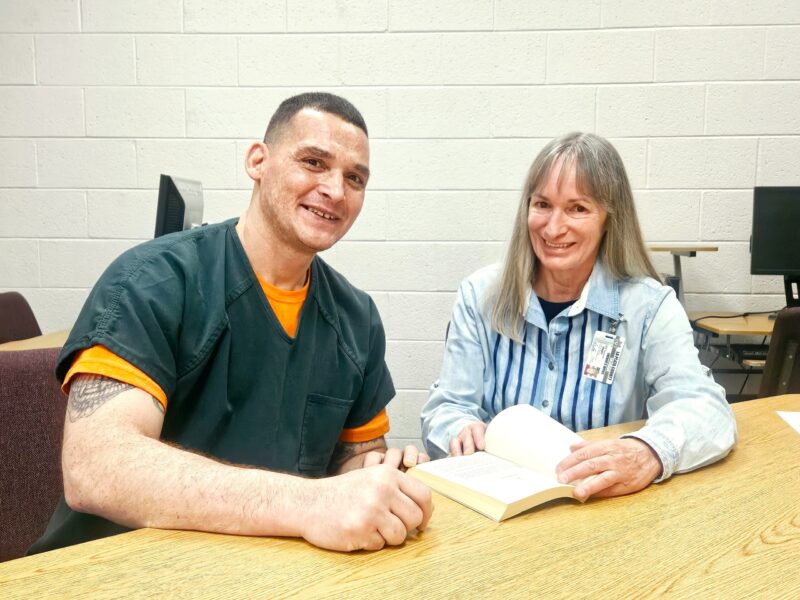
More than half of incarcerated adults in the United States enter correctional facilities without a high school diploma. That gap in education has long-term consequences for employment, stability, and reentry success after release. Correctional education programs, especially GED preparation and adult literacy classes, were created to address that gap.
Evidence strongly supports the value of these programs. A 2013 meta-analysis by the RAND Corporation examining decades of correctional education research found that incarcerated individuals who participate in educational programs have 43 percent lower odds of returning to prison compared with those who do not participate. The same study also showed improved employment outcomes after release.
For educators, administrators, and nonprofit organizations working inside correctional facilities, understanding how GED programs operate in jails is essential. Enrollment procedures, program delivery, and completion strategies all influence whether students succeed. This guide outlines how these programs typically function and what practices improve outcomes.
Core Components of Adult Education Programs in Jails
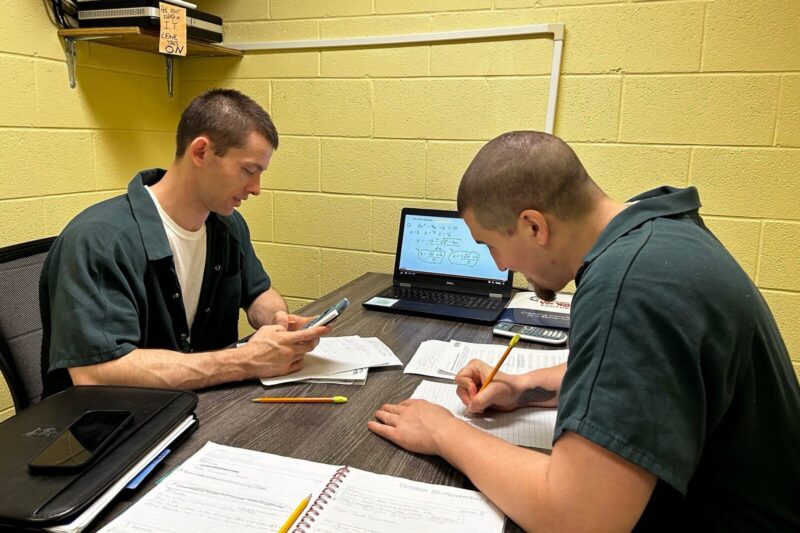
Correctional education systems typically offer several levels of academic support. These programs help incarcerated adults build foundational skills before progressing to high school equivalency credentials.
| Program Element | Purpose |
| GED preparation | Provide high school equivalency credential |
| Adult literacy classes | Build reading and writing skills |
| ESL programs | Support non-native English speakers |
| Vocational training | Connect education to employment |
Education departments within jails or prisons usually assess each individual’s academic level during intake. This process allows educators to place students into the appropriate learning track.
Did you know?
Educational participation often begins with basic literacy instruction, especially for adults reading below high school level. Many GED candidates first complete these classes before entering formal exam preparation programs.
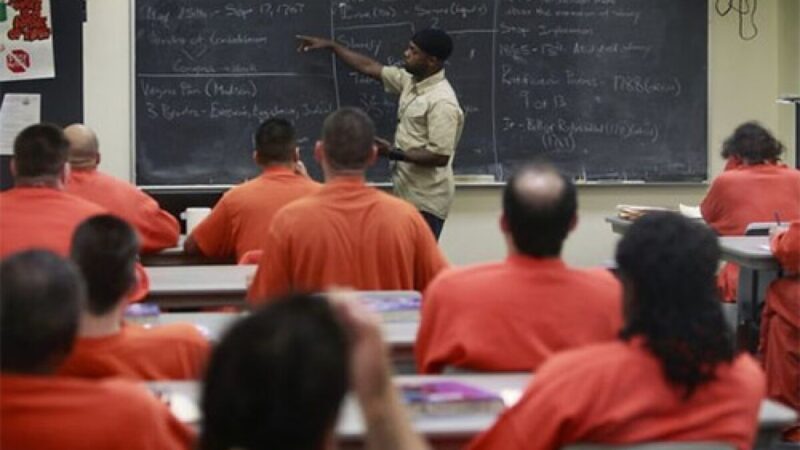
Instruction inside correctional education classrooms usually follows a structured routine. Most facilities organize classes in small groups so instructors can monitor progress closely and adapt lessons to different academic levels.
McKee and Clements correctional education classroom research shows that classrooms often operate with about 10 to 15 students per instructor, allowing teachers to create individualized learning plans and targeted support for reading, writing, and math skills.
Clear visual organization also helps adult learners stay focused on lesson goals, especially when students are preparing for multiple GED subject exams at once. Many adult learning environments rely on shared visual displays to present class schedules, test preparation plans, or progress charts.
Systems designed for structured training spaces, including tools like Gym Screens, show how visual dashboards can keep groups aligned on daily learning objectives without interrupting the flow of instruction.
How Enrollment Works in Jail Education Programs
Enrollment in GED and adult education programs usually begins with an education assessment during intake. Correctional staff or education coordinators review an individual’s academic history and determine eligibility for available courses.
Several factors influence who enters GED preparation programs:
- Educational background at the time of incarceration
• Institutional education requirements
• Classroom capacity within the facility
• Security classification and housing assignments
In many correctional systems, individuals who do not possess a high school diploma or GED are required to participate in literacy or education programs. These requirements are designed to ensure that incarcerated adults have the opportunity to build academic skills while serving their sentences.
A typical enrollment pathway may look like this:
- Initial education assessment at intake
• Placement into literacy or basic education classes
• Progression to GED preparation courses
• Completion of subject exams
Enrollment systems vary across jurisdictions, but the underlying goal remains consistent. Programs seek to ensure that individuals with the greatest educational gaps receive structured academic instruction.
How GED Programs Are Delivered in Jails
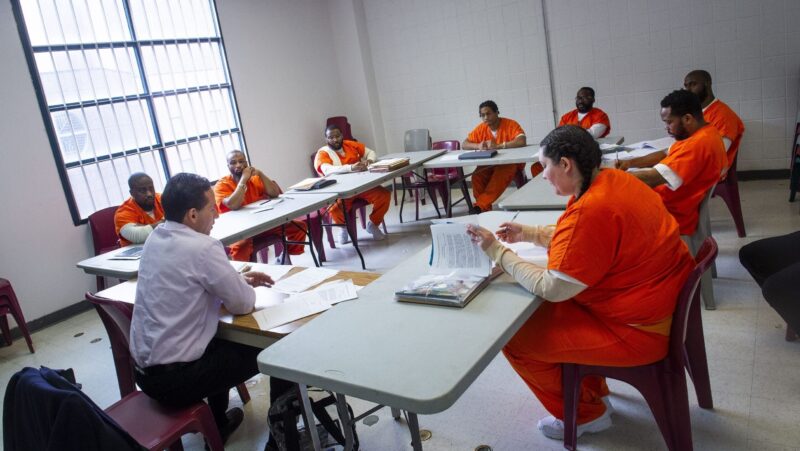
Instructional delivery inside correctional facilities must balance educational goals with security protocols. As a result, GED programs in jails often follow a structured classroom model.
Most programs rely on several instructional components:
- Classroom based lessons led by certified adult education instructors
• Small group tutoring sessions for targeted support
• Practice tests that simulate official GED exams
Students preparing for the GED credential must pass subject tests covering:
- Mathematical reasoning
• Reasoning through language arts
• Science
• Social studies
Programs often operate through partnerships with community colleges or adult education providers. These partnerships allow facilities to access certified instructors, curriculum resources, and testing support.
Important note
GED testing itself is standardized and computer based in most jurisdictions. However, in correctional settings testing procedures may be adapted to meet security restrictions.
Despite these limitations, many facilities successfully deliver structured academic instruction through scheduled classes, monitored study sessions, and supervised testing environments.
Barriers to Enrollment and Completion
Even when education programs are available, participation is often limited by operational challenges within correctional facilities.
Common barriers include:
- Limited classroom space within secure housing units
• Shortages of qualified instructors
• Security restrictions on movement between housing areas
• Frequent transfers between facilities
These constraints can significantly reduce access. Many jails prioritize education programs for individuals serving longer sentences because short-term detainees may not remain long enough to complete coursework.
Another challenge involves interrupted learning schedules. Lockdowns, court appearances, and facility operations can disrupt regular class attendance. Adult learners may also face academic challenges if they have been out of school for many years.
For educators, addressing these barriers requires flexibility and coordination with correctional administrators.
Why GED Programs Matter for Reentry

Education plays a crucial role in preparing incarcerated individuals for life after release. A GED credential often serves as the minimum educational requirement for employment or vocational training.
Research supports the impact of correctional education programs on reentry outcomes. The RAND Corporation meta-analysis published in 2013 examined multiple studies and found that incarcerated adults who participated in educational programs had significantly lower recidivism rates and improved employment prospects after release.
Education programs support reentry in several ways:
- Improving reading, writing, and math skills
• Building confidence in academic abilities
• Creating pathways to vocational training or college courses
• Increasing employability after release
These outcomes matter not only for individuals but also for communities. Education reduces the likelihood of reoffending and supports long term social reintegration.
Strategies That Improve Completion Rates
Correctional education programs succeed when they provide consistent structure and personalized support. Completion rates improve when programs address the specific learning needs of adult students.
Successful programs typically include several key features.
- Consistent class schedules that reduce disruption
• Individual learning plans based on assessment results
• Access to tutoring or peer mentoring support
• Incentives for completing coursework or passing exams
Some correctional systems also offer sentence credits or program incentives for educational participation. These incentives can increase motivation and improve attendance.
Another effective strategy involves tracking student progress through measurable milestones. When students can see their improvement over time, they are more likely to remain engaged with coursework.
Final Thoughts
GED and adult education programs in jails serve a critical role in rehabilitation and reentry. Many incarcerated adults arrive without a high school credential, limiting their opportunities after release.
When correctional education programs are accessible, well structured, and supported by trained educators, they help individuals build foundational academic skills and improve long term outcomes.
For educators and administrators working in correctional systems, the key priorities remain clear. Expand access, maintain consistent program delivery, and provide the instructional support adult learners need to succeed.
Frequently Asked Question
Can inmates continue GED studies if they are transferred to another facility?
Yes, in many correctional systems academic progress follows the student. Education records, including GED coursework and test results, are usually stored in institutional databases and transferred with the inmate when they move to another facility.
What happens if an inmate fails one section of the GED exam?
The GED test is divided into four separate subject exams, so students do not need to repeat the entire test if they fail one section. They only need to retake the specific subject they did not pass. In federal prison systems, individuals can usually retake a subject immediately after a failed attempt.
Are digital tablets used for GED preparation in prisons?
Yes. Many correctional systems now provide secure tablets or computer access that allow incarcerated students to study educational materials, watch instructional videos, and complete practice exercises. Some prison tablet programs include online classes and digital high school diploma or GED preparation courses.